No products in the cart.

- This event has passed.
ESMO Congress 2026: Science, Innovation and Patient Advocacy
October 23 - October 27
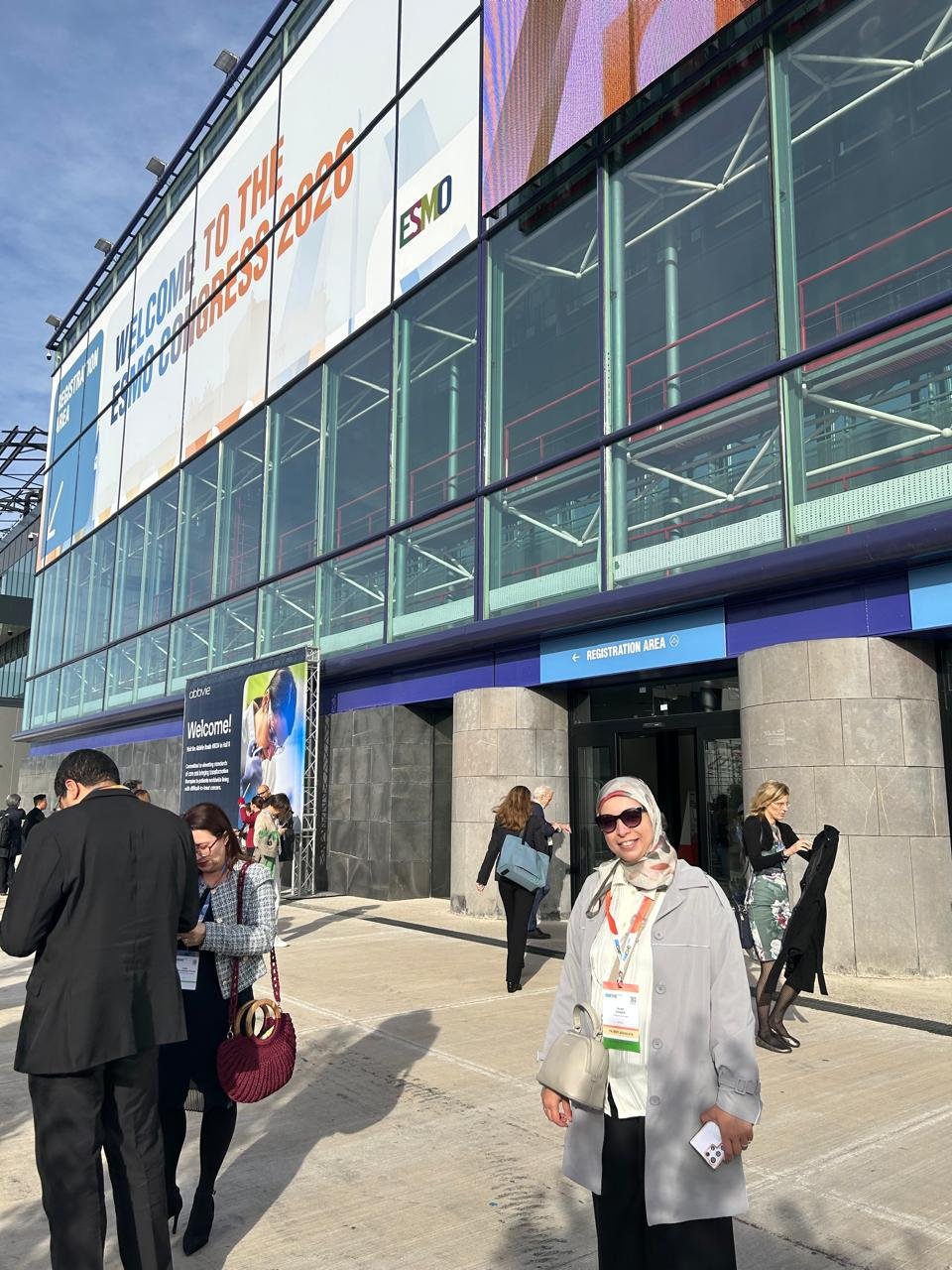
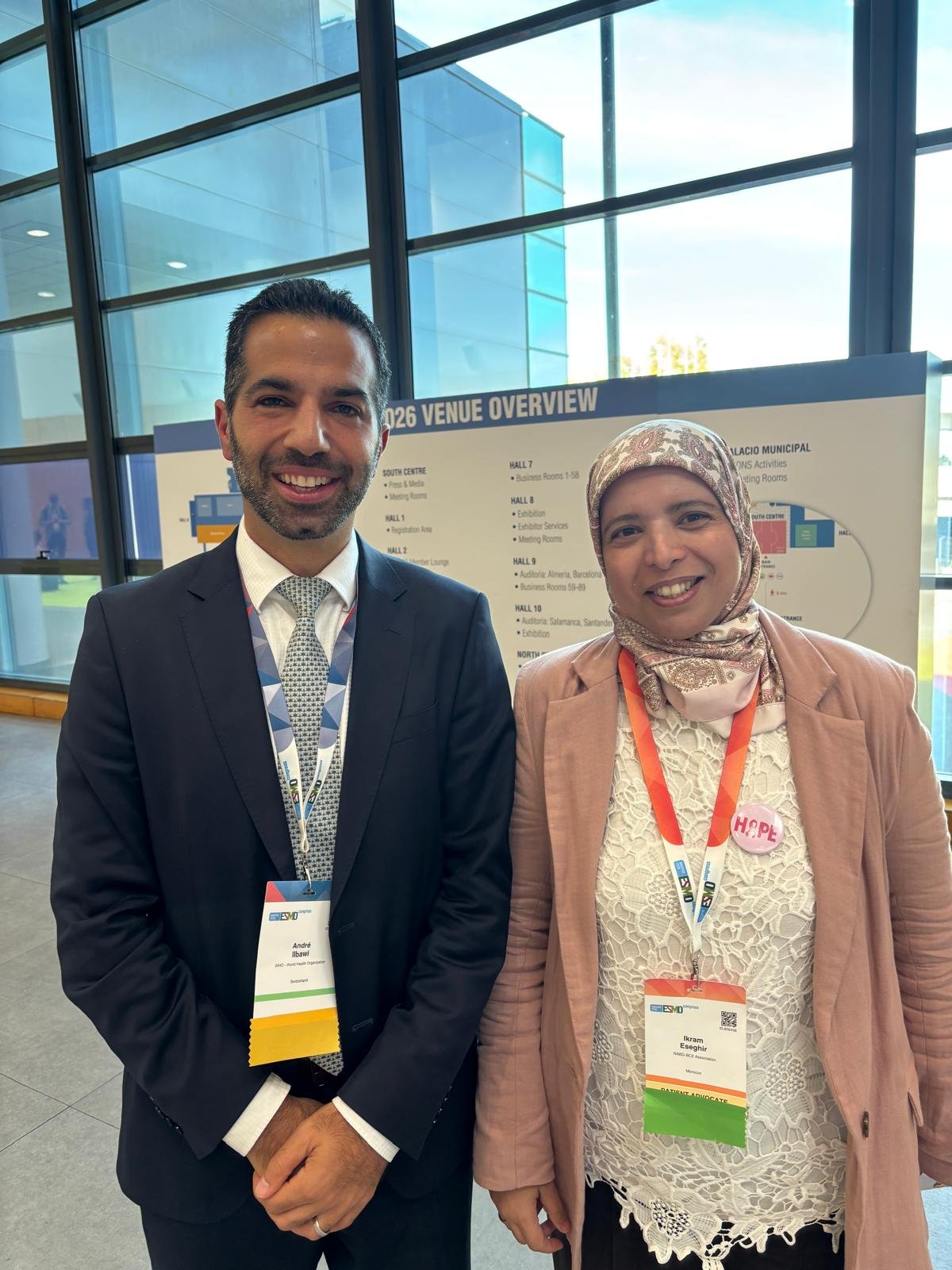
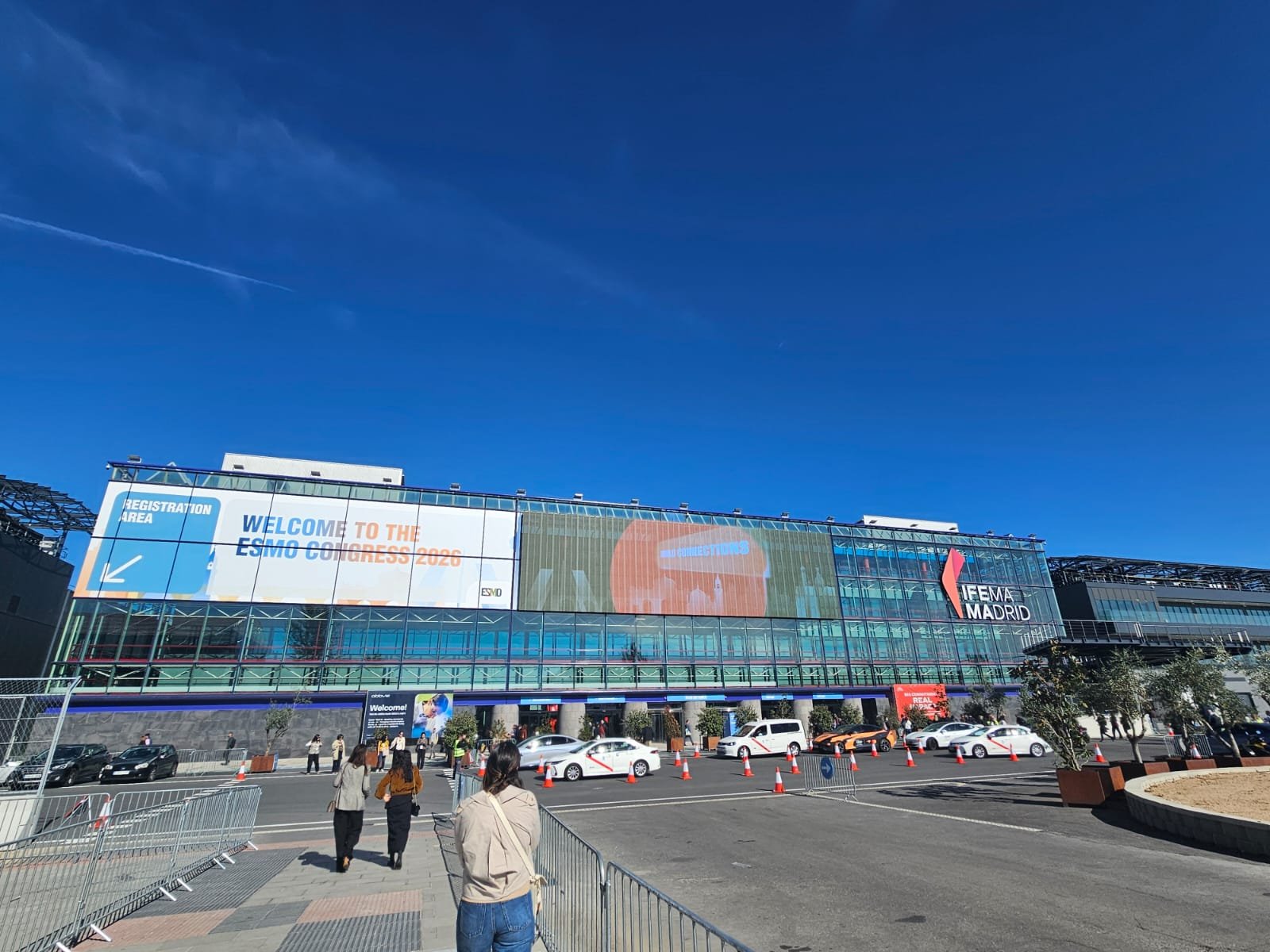
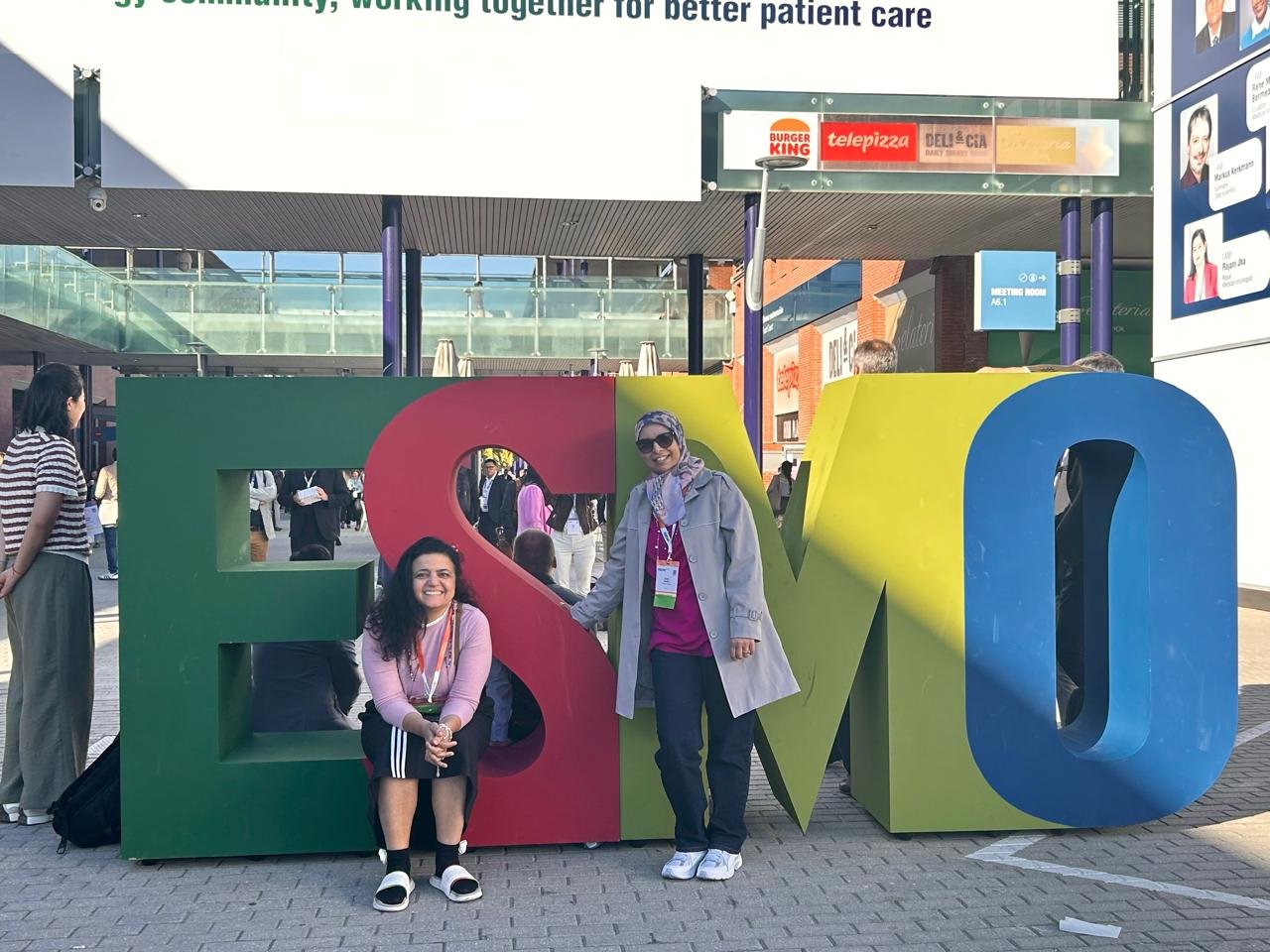
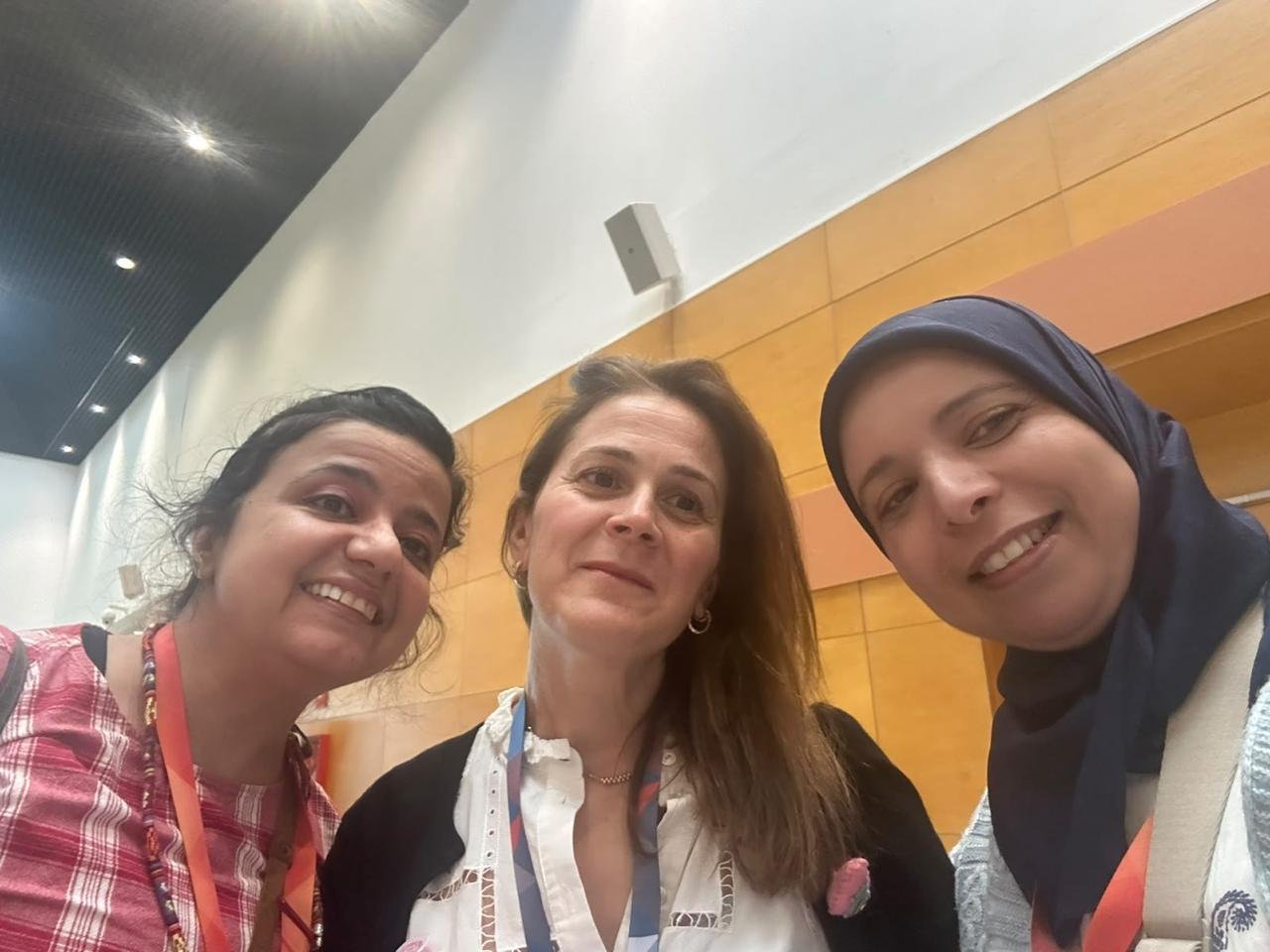
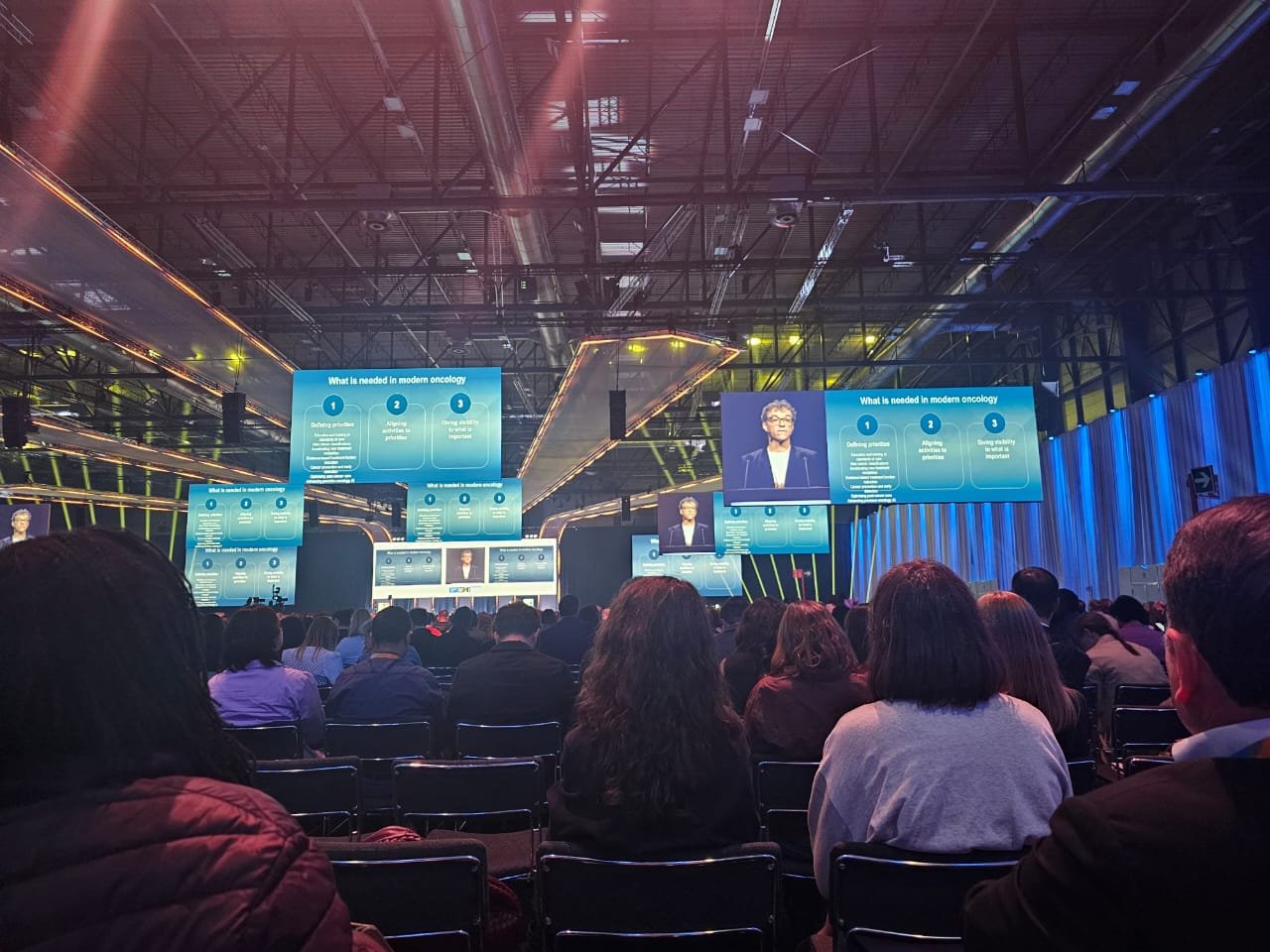
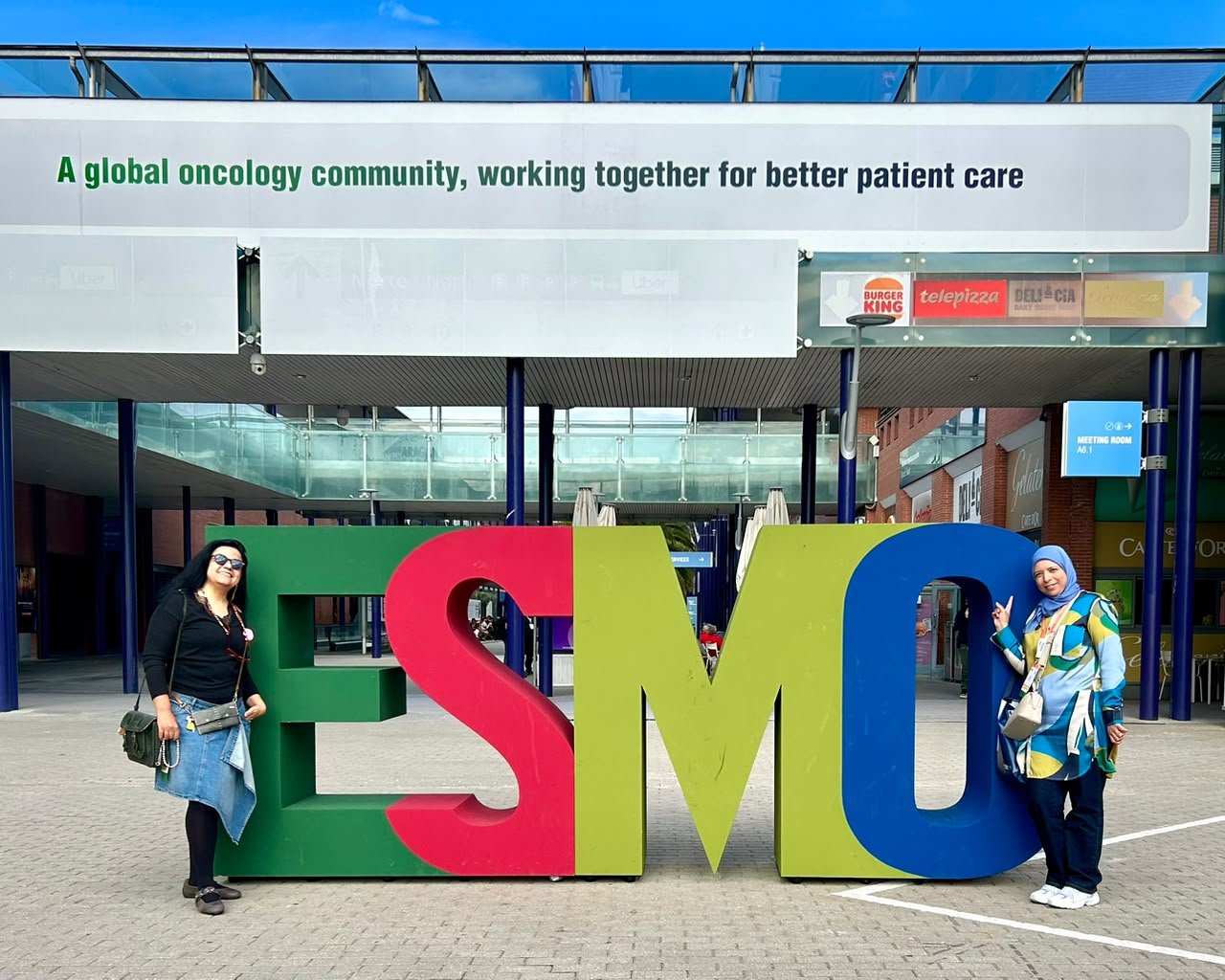
NABD-BC2 Association is proud to announce that its president, Mrs Ikram Eseghir, participated in the ESMO Congress 2026, held from 23 to 27 October 2026 at IFEMA Madrid, Spain. Recognised as one of the world’s leading oncology events, the congress brings together clinicians, researchers, patient advocates, journalists, and healthcare industry representatives from across the globe.
The 2026 edition was led by Congress President Fabrice André, alongside Scientific Co-Chairs Yelena Janjigian and James Larkin, and Educational Chair Nadia Harbeck. Its five-day programme featured around 300 scientific, educational, poster, and networking sessions. The opening session, held on Friday, 23 October, featured lectures by the four recipients of the 2026 ESMO Society Awards.
Among the highlights of the congress were three Presidential Symposia featuring twelve late-breaking Phase III clinical trials. These studies covered a wide range of cancers, including melanoma, lung, gastrointestinal, genitourinary, and gynaecological cancers, as well as sarcoma. They explored advances in targeted therapies, immunotherapies, antibody-drug conjugates (ADCs), and personalised cancer vaccines. Two major trends emerged: the increasing use of targeted therapies in earlier lines of treatment and the growing contribution of China-originated therapies, which accounted for five of the twelve late-breaking abstracts.
Breast cancer research also featured prominently in the scientific programme. Late-breaking Phase III results demonstrated improvements in progression-free survival with three antibody-drug conjugates in advanced breast cancer. In addition, the six-year NATALEE analysis, presented by Dennis Slamon, showed that adding ribociclib to endocrine therapy gave a 2.1% absolute overall survival benefit in patients with stage II–III hormone receptor-positive, HER2-negative early breast cancer, with an approximately 20% reduction in the risk of death and about 30% fewer breast cancer-related deaths. Other findings highlighted the complexity of treatment outcomes, with some immunotherapy and extended endocrine therapy approaches improving certain clinical endpoints without demonstrating an overall survival benefit.
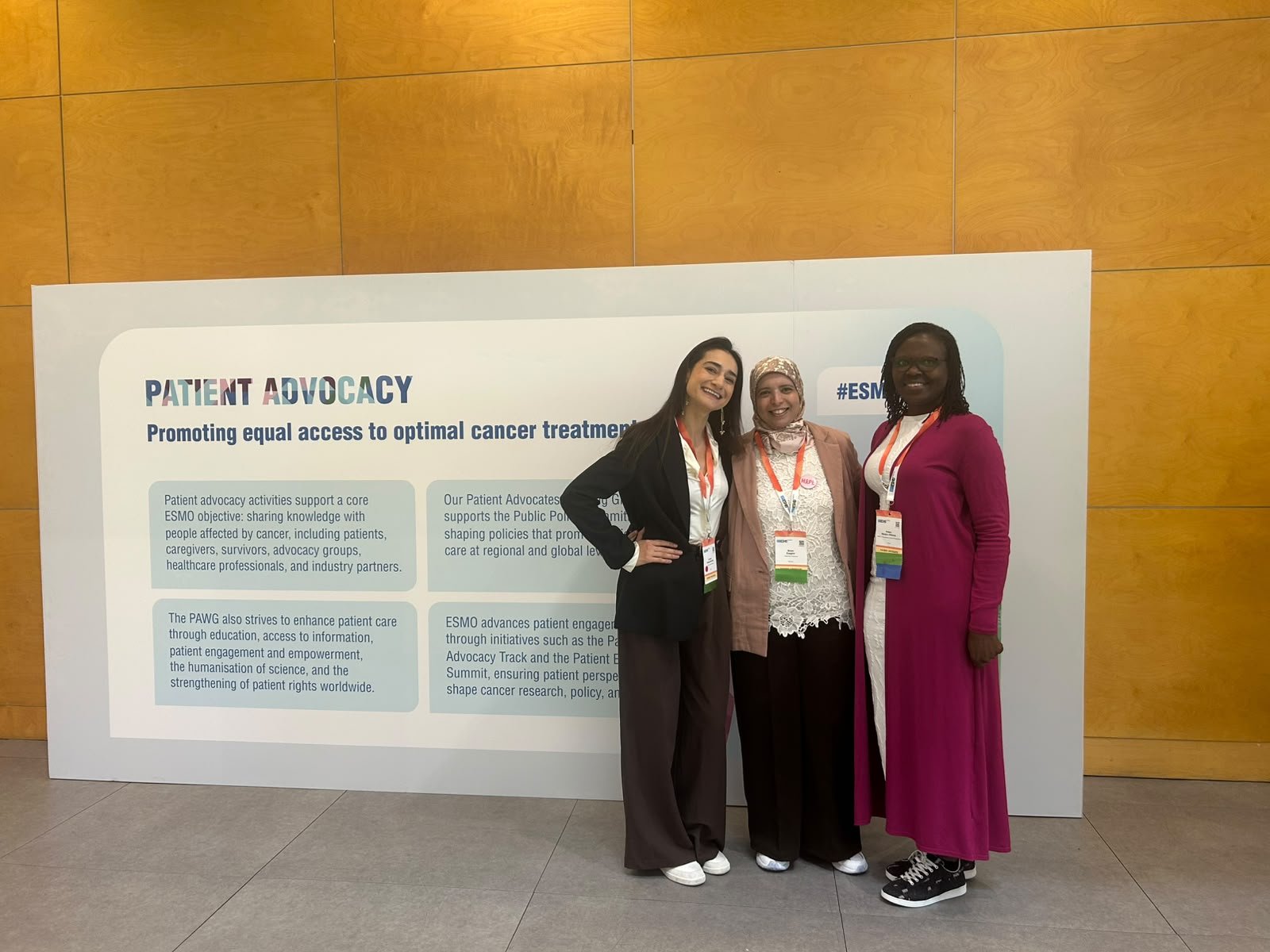
Alongside the scientific programme, Mrs Eseghir attended sessions within the Patient Advocacy Track, an integral part of the ESMO Congress since 2014 and designed by the ESMO Patient Advocates Working Group. The track brings together patient advocates, healthcare professionals and industry partners to address the challenges and opportunities that matter most to people affected by cancer, while advancing equal access to optimal treatment and care.
In Madrid, four sessions were held at the Seville Auditorium on 24 and 25 October, addressing access to cancer care, health equity and reducing inequalities; innovations in cancer treatment; digital health, data and innovation; and bridging the gap between innovation and implementation in cancer care. The programme also included dedicated workshops for patient advocates, covering topics such as self-care, communication, artificial intelligence in advocacy, and disinformation.
The sessions she followed included “Luck Is Not A Strategy: bridging the gap between precision oncology and patient reality,” presented by patient advocate Natalia Montigny; a discussion of what “value” means in cancer care, arguing that it covers survival, function and dignity rather than only the price of a drug; a talk by George Kapetanakis (Hellenic Cancer Federation – ELLOK) on digitalisation and patient experience data; a presentation by Anne-Marie Baird on ethics; and Julien Vibert on using large language models to rewrite the patient voice. Other presentations covered patient-centred care, with comparative data from the OECD, and the key takeaways on reliable AI in oncology.
The congress concluded on 27 October, marking five days of scientific exchange, professional engagement, and discussions on the future of cancer care.
NABD-BC2 Association warmly thanks the International Cancer Foundation (ICF) for providing the travel grant that made this participation possible.