
No products in the cart.

- This event has passed.
NABD-BC2 brings the Moroccan experience and lived-experience leadership to the World Cancer Congress 2026
September 24 - September 26
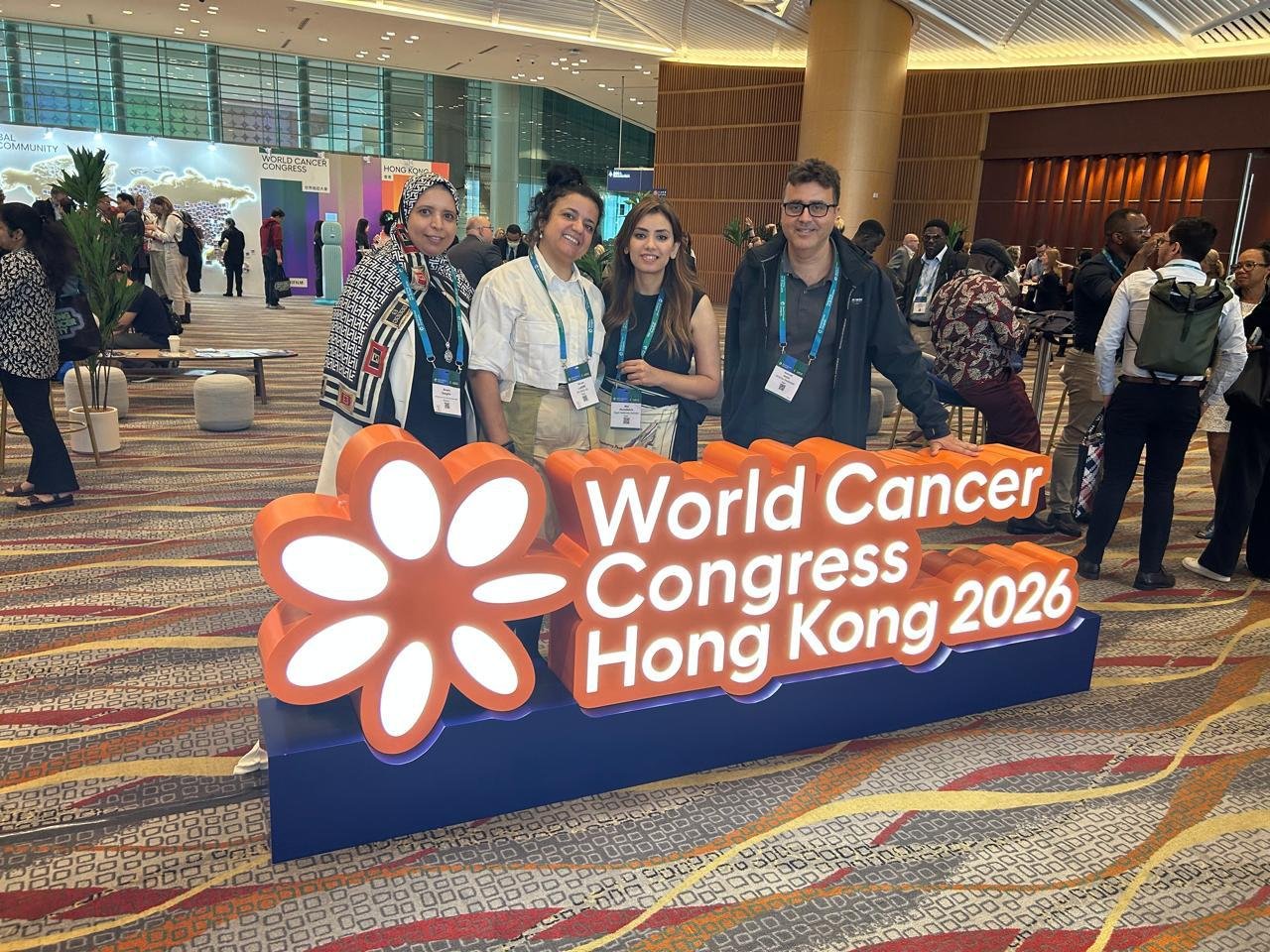
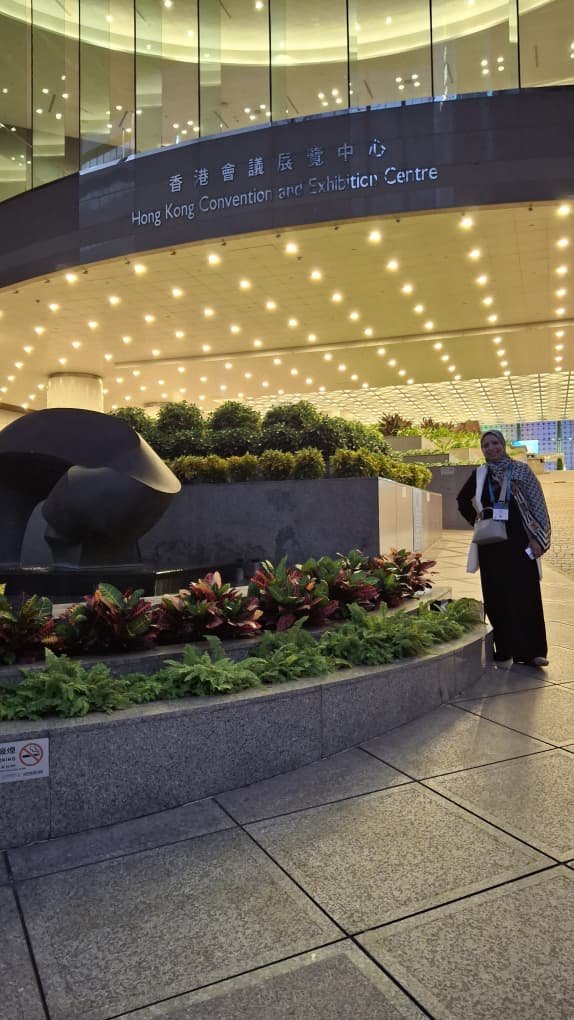
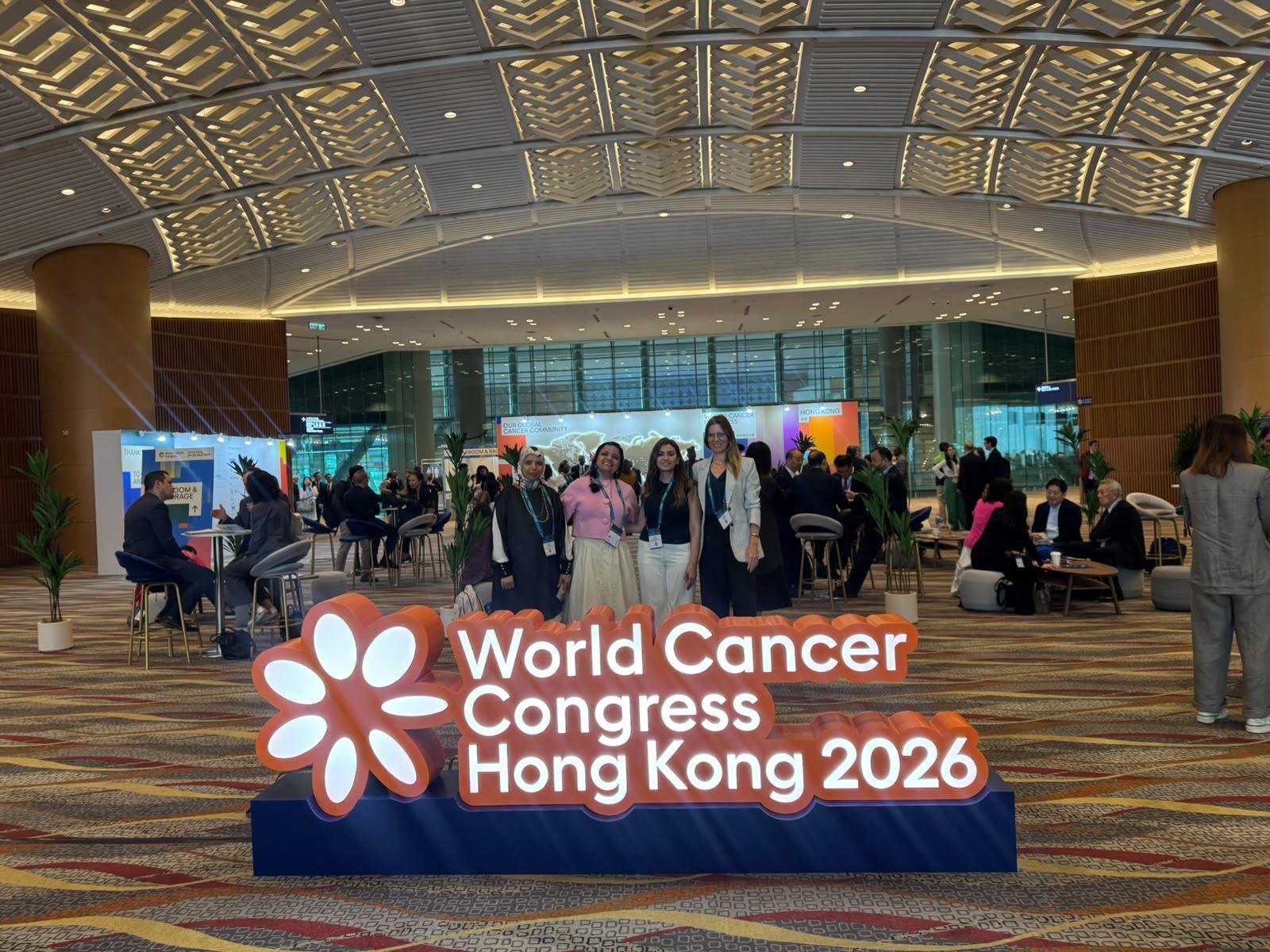
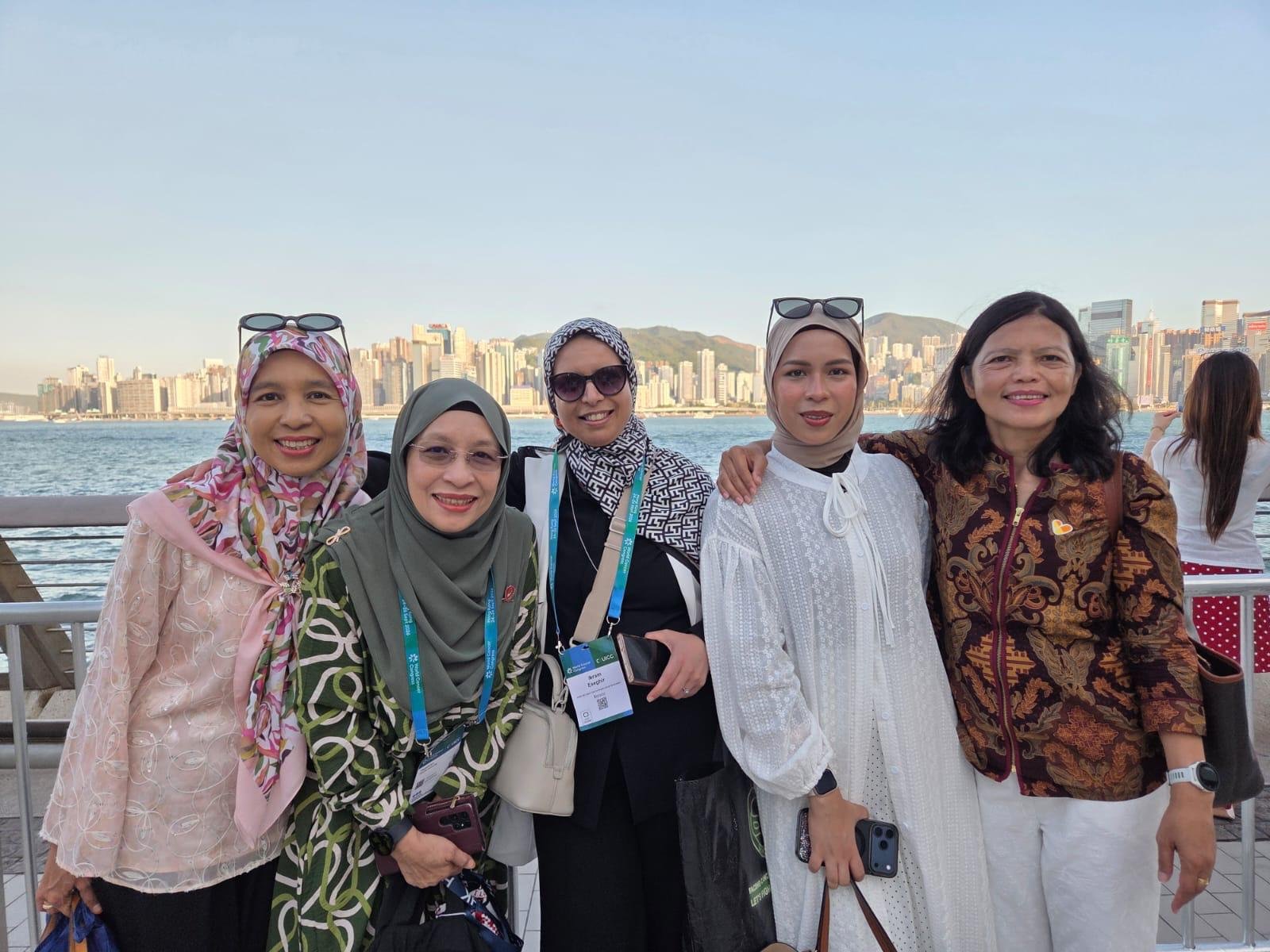
NABD-BC2 – Best Care for Breast Cancer Association was honoured to take part in the World Cancer Congress 2026, held from 24 to 26 September in Hong Kong and organised by the Union for International Cancer Control (UICC) in collaboration with the Hong Kong Anti-Cancer Society.
Thanks to a scholarship awarded by UICC, NABD-BC2’s Founder and President, Ikram Eseghir, took part in scientific, regional and networking activities. Her contributions highlighted Morocco’s progress in meaningful engagement, the role of cancer patient organisations in strengthening people-centred care, and the importance of integrating lived-experience expertise into research and policymaking.
Presenting Morocco’s meaningful-engagement experience
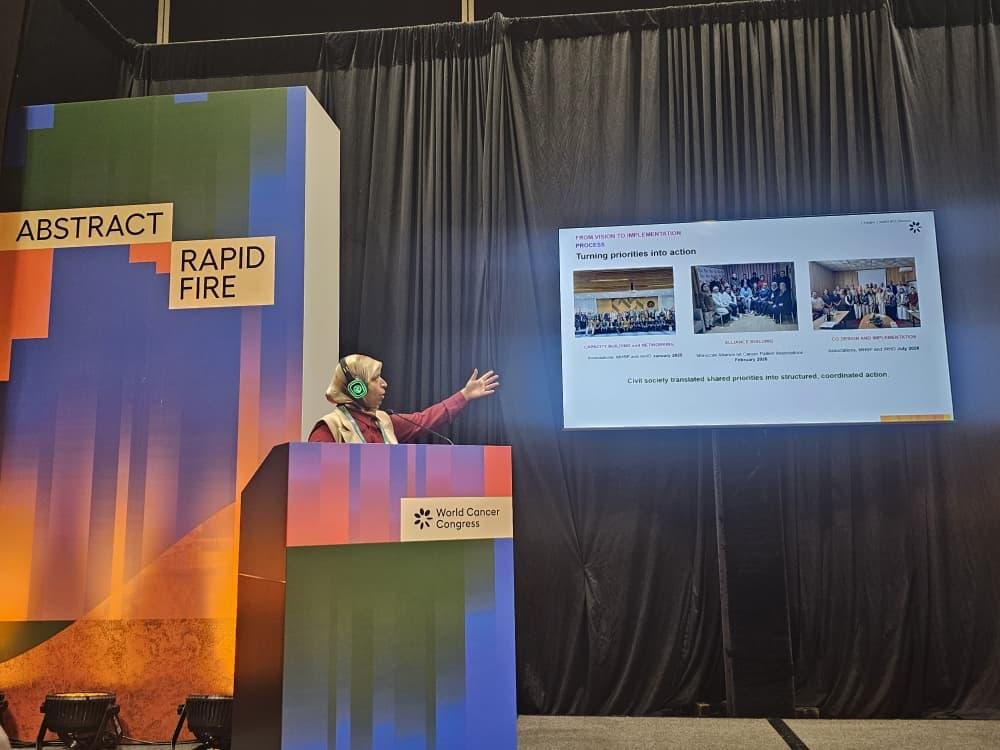
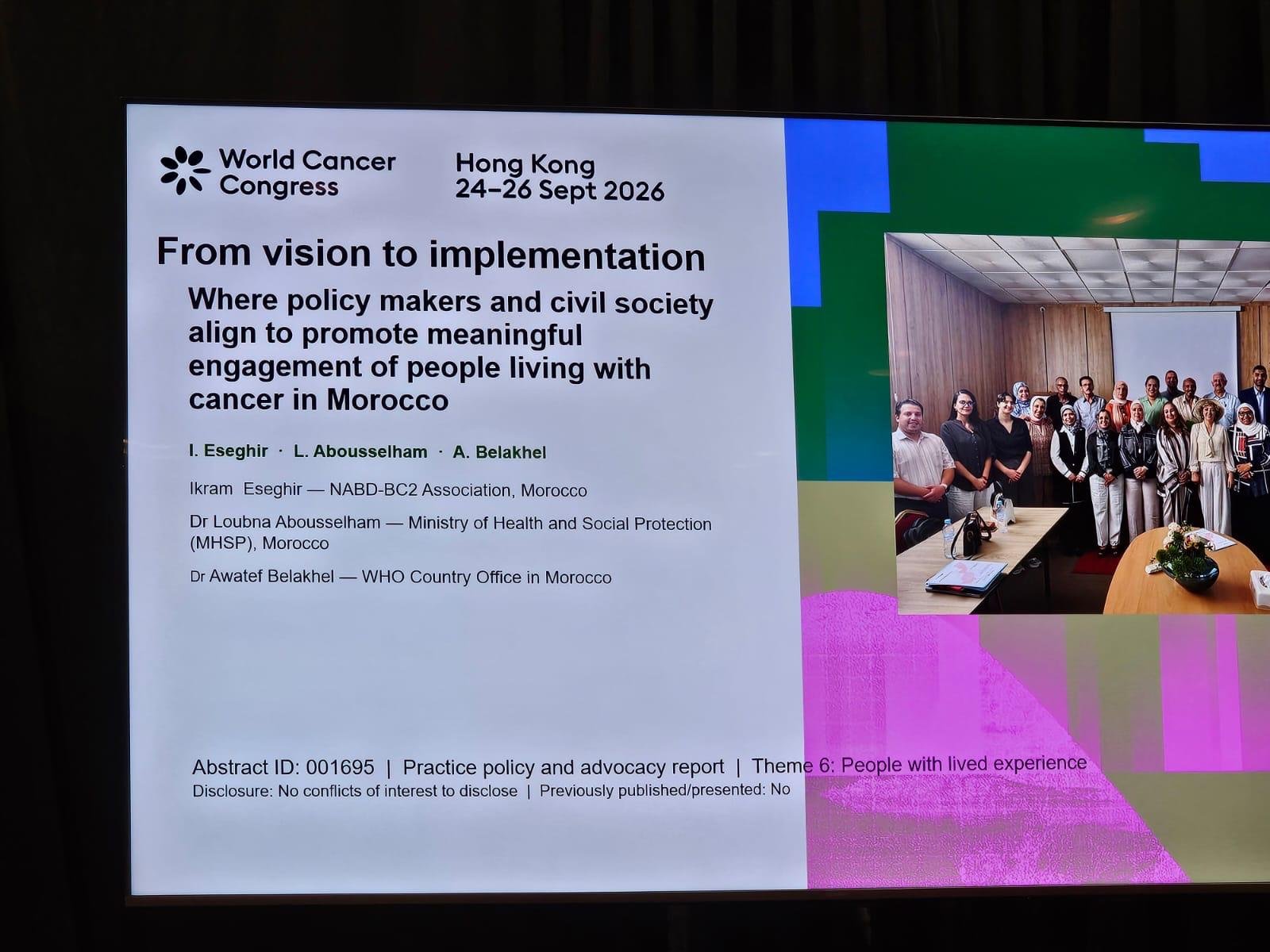
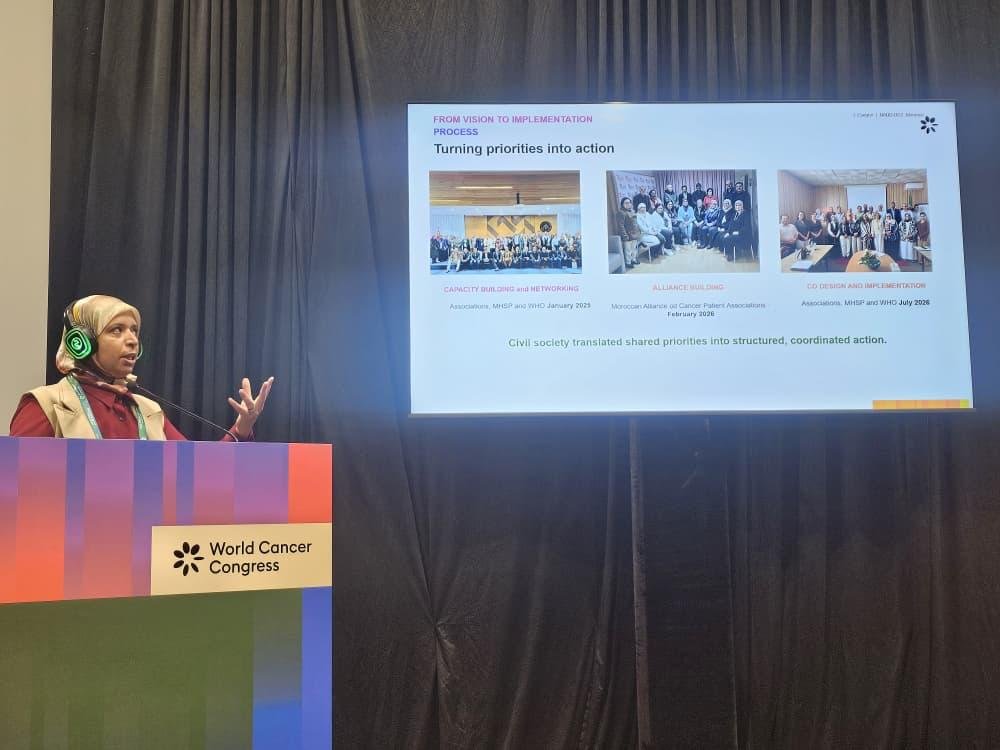
A principal contribution was the rapid-fire presentation “From vision to implementation: where policymakers and civil society align to promote meaningful engagement of people living with cancer in Morocco.” Ikram Eseghir presented the work, which she developed with Dr Loubna Abousselham of the Ministry of Health and Social Protection (MHSP) and Dr Awatef Belakhel of the WHO Country Office in Morocco. The work was also accepted as an abstract and published in the Congress e-library.
This collaboration brought together public-health policy, international technical support, civil society and lived-experience expertise. It reflects an ongoing Moroccan process of co-design and co-creation aligned with the principles of meaningful engagement.
The presentation recognised milestones achieved by different Moroccan stakeholders:
- 2024 – First national workshop on meaningful engagement. Organised by the MHSP and WHO, the workshop brought together public institutions, health professionals, academia, cancer organisations and people with lived experience to adapt the WHO Framework to the Moroccan context and identify practical priorities.
- 2025 – Networking and capacity-building event. Organised by the Cancer… We Are All Concerned Association, this event strengthened collaboration among associations and laid the foundations for the Moroccan Alliance of Cancer Patient Associations, established in 2026.
- First exploratory fact-finding mission on cancer in the Moroccan Parliament. This mission was supported by Ms Latifa Cherif, parliamentarian, person with lived experience and President of Les Amis du Ruban Rose. She invited AMAL Association and NABD-BC2 as civil-society stakeholders to bring patients’ realities, barriers and priorities into the parliamentary space.
- Digital cartography of cancer organisations and their services. This NABD-BC2 project was funded by the WHO Country Office and validated by the MHSP at a workshop with other NGOs and stakeholders. It is a practical example of co-design and co-creation in action.
The central lesson is that meaningful engagement becomes sustainable when policy commitment, organised civil society and lived-experience expertise move together from consultation to implementation.
Recognition of the wider Moroccan experience
The progress achieved in Morocco received encouraging recognition during the Congress. Dr Lamia Mahmoud, Regional Adviser for NCD Prevention and Health Care at WHO EMRO, referred to Morocco’s progress in meaningful engagement and cited the digital cartography as one practical outcome of this national process.
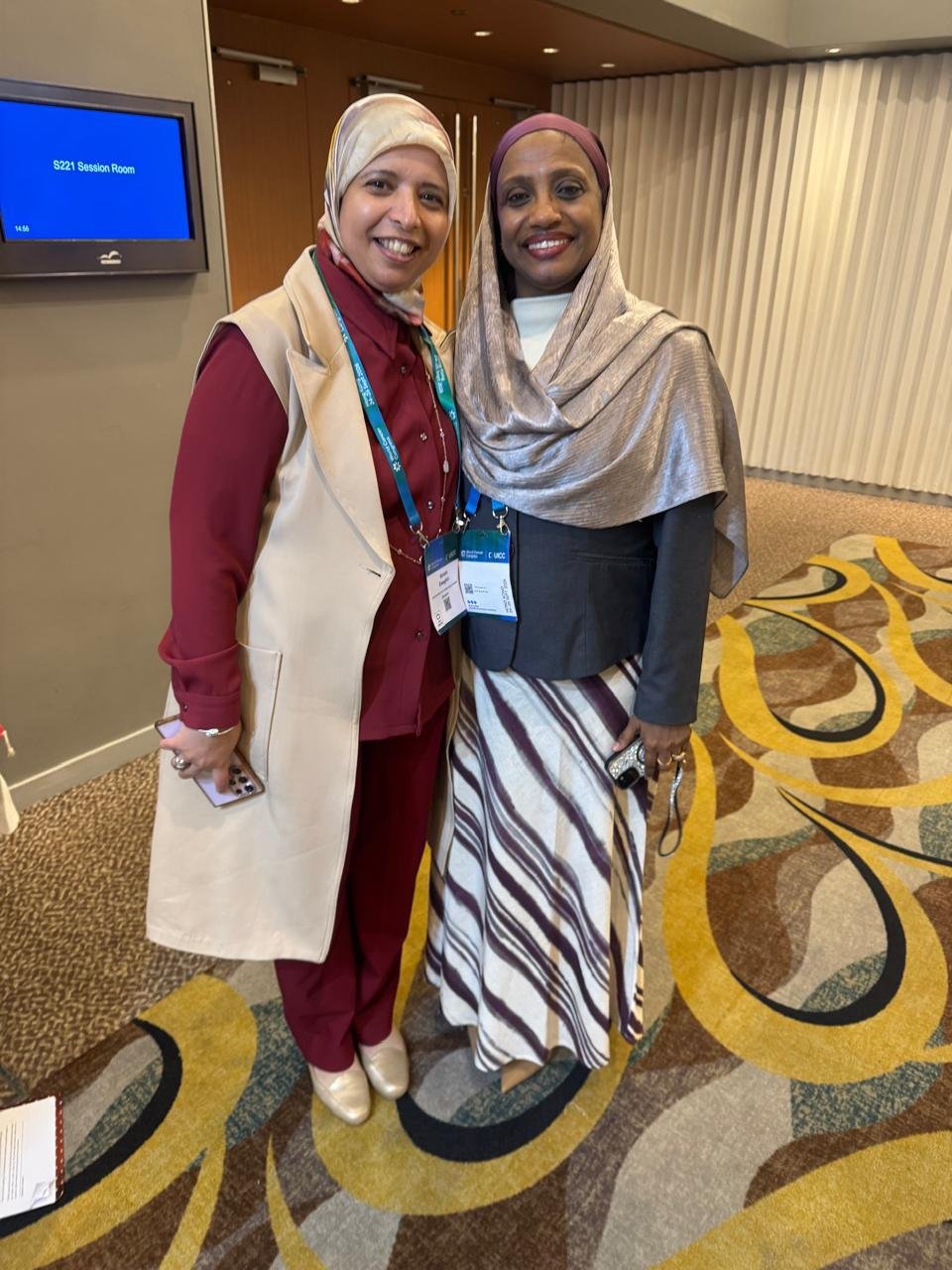
During the closing ceremony, UICC President Ulrika Årehed Kågström also acknowledged the Moroccan experience, including the digital cartography initiative, as an example of how institutions, civil society and people with lived experience can translate shared priorities into action. This recognition belongs to all the Moroccan stakeholders whose complementary efforts made this progress possible.
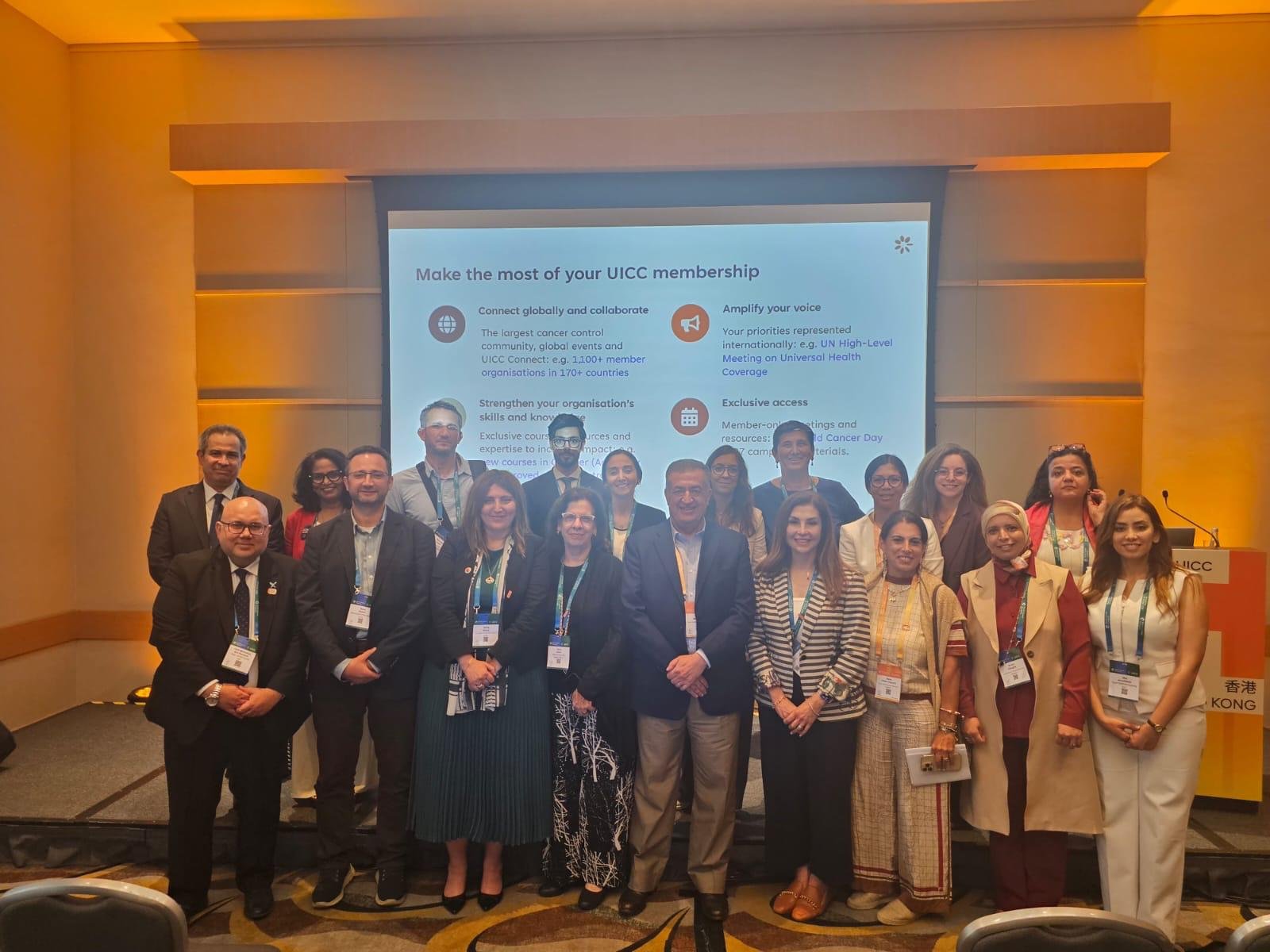
Our President also contributed to UICC’s Eastern Mediterranean Regional Meeting. There she presented NABD-BC2’s achievements within the wider Moroccan experience and reflected on regional priorities, including breast cancer, early detection, timely referral, patient navigation, psychosocial support and meaningful engagement.
Bringing lived experience to the Lancet Oncology Commission
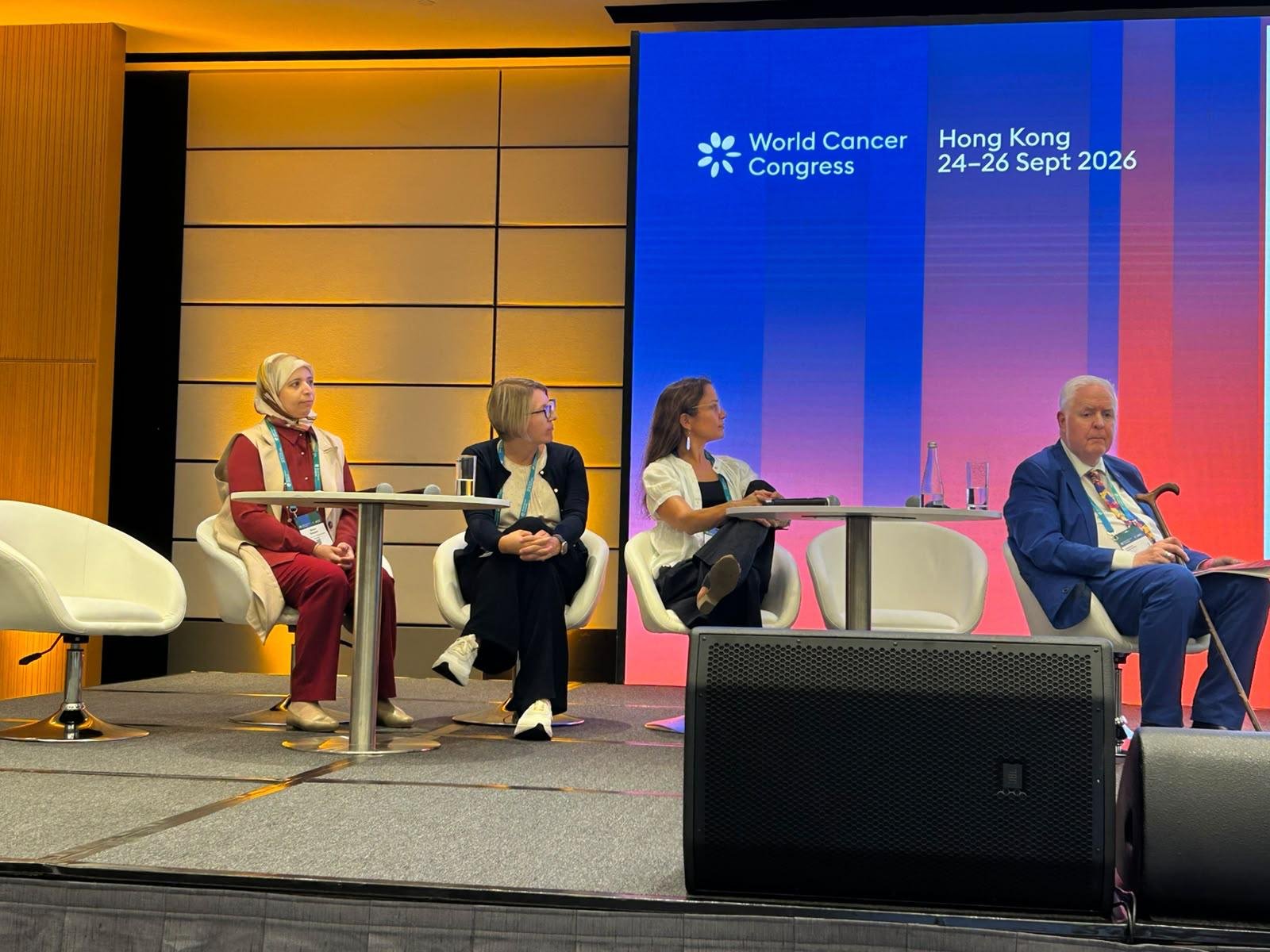
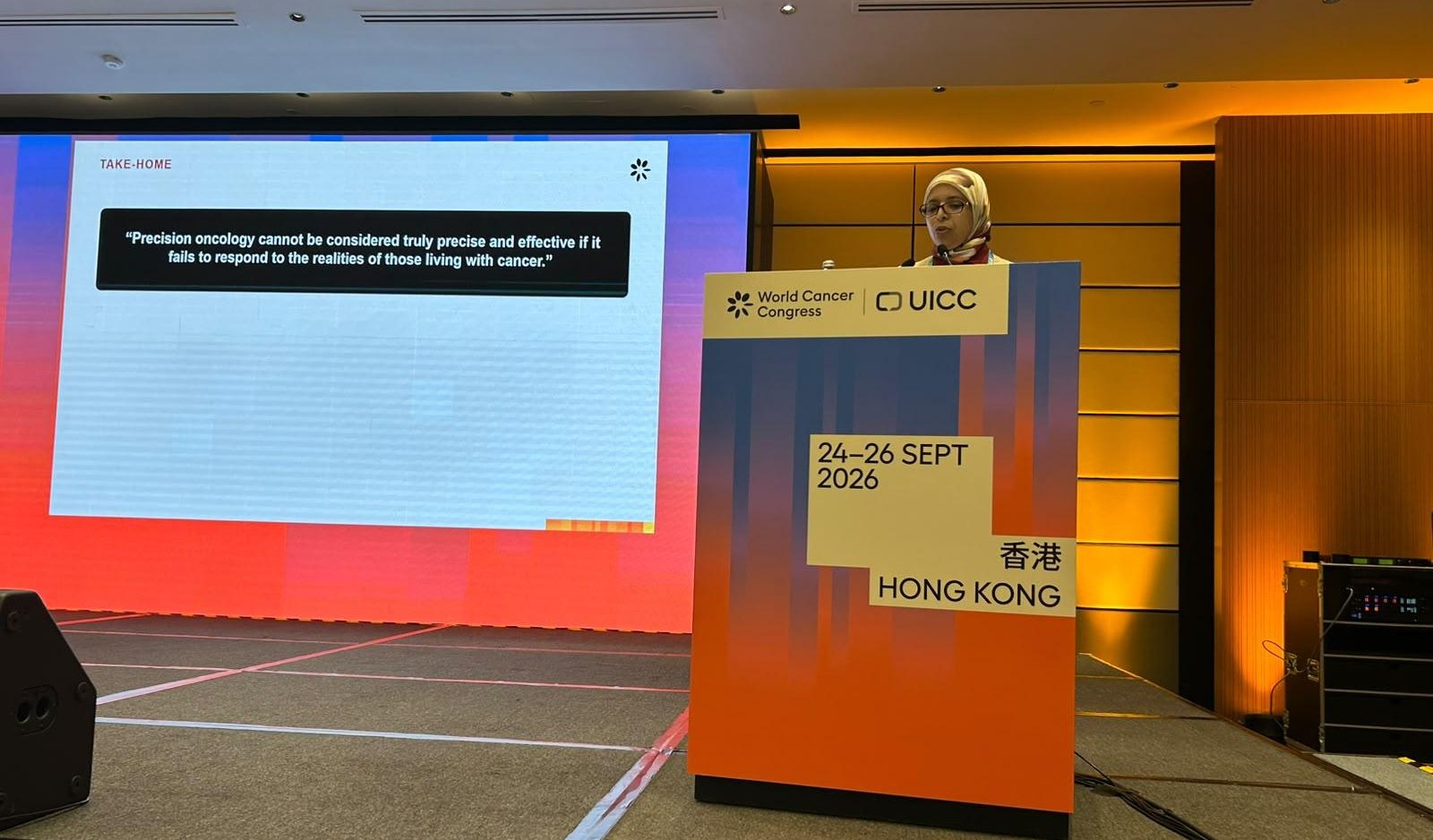
A second major contribution was Ms Eseghir’s participation in the highlight session “Accelerating Equitable Cancer Genomics: From Data Sovereignty to Global Implementation,” which accompanied the launch of the Lancet Oncology Commission on equitable cancer genomics and precision oncology.
The Commission examines how cancer genomics and precision oncology can be integrated into health systems effectively, equitably and sustainably. It identifies disparities in access to genomic testing, targeted treatment, clinical trials and representative data. It also emphasises the need for infrastructure, trained professionals, responsible data governance, sustainable financing and integrated care pathways.
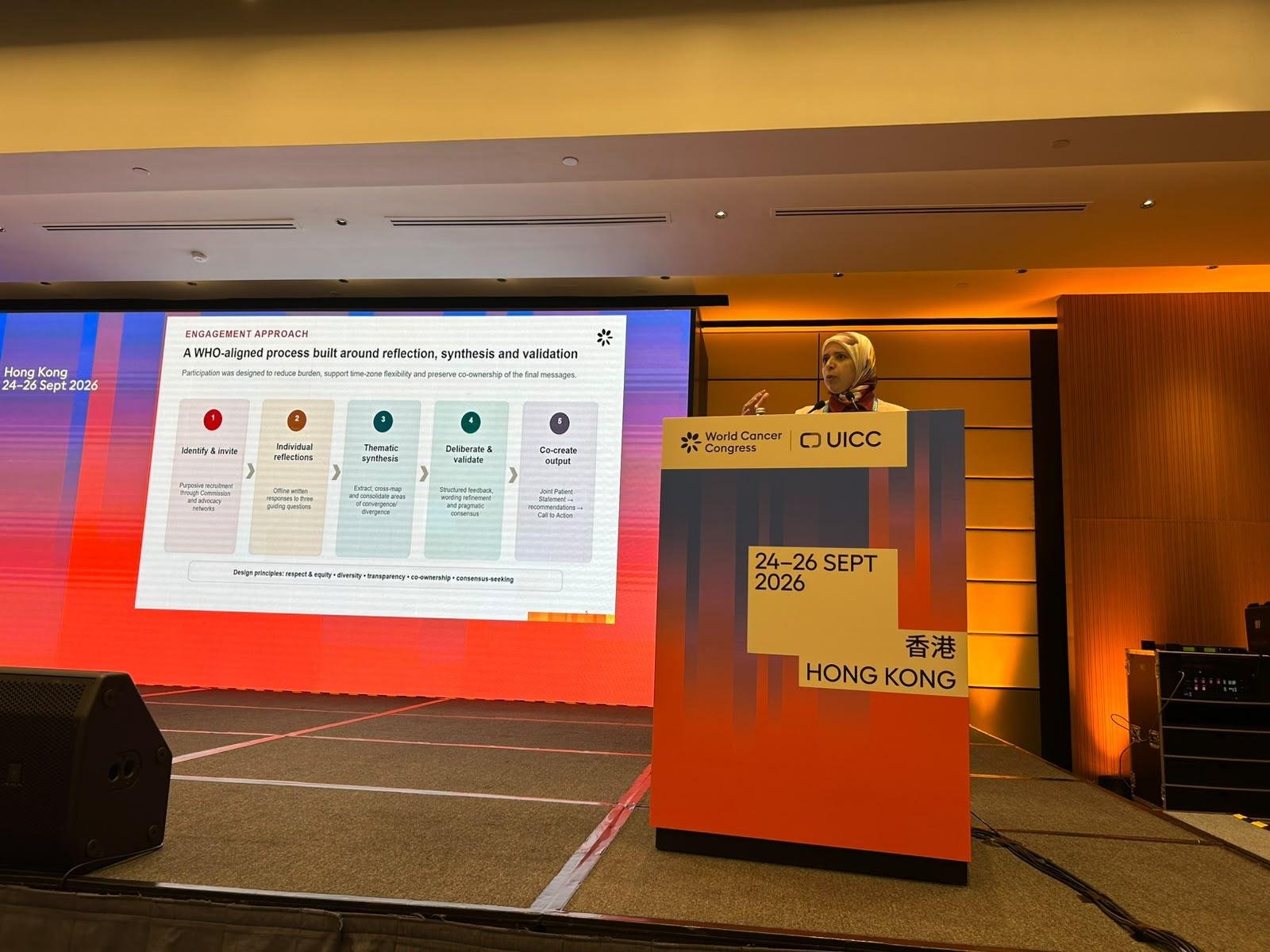
Ikram Eseghir took part as a person with lived experience, section lead and co-author. She contributed to a meaningful-engagement process through which patients, survivors, caregivers and advocates identified what matters most, where current systems create delay or inequity, and what changes are needed.
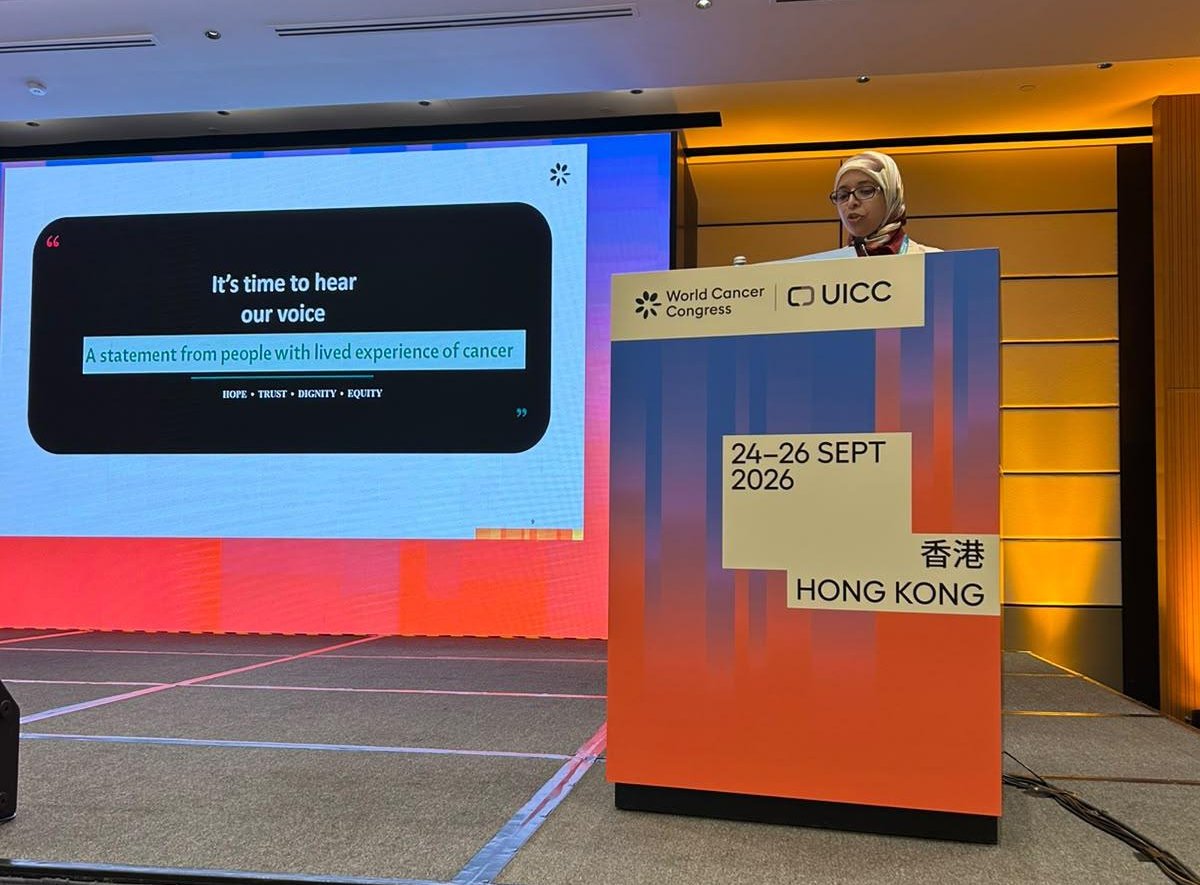
These contributions were synthesised and validated collaboratively, leading to a Joint Patient Statement and recommendations that informed the Commission and its Call to Action. During the session, Ms Eseghir presented the engagement process, outlined the priorities and read the Statement.
The priorities went beyond access to tests. They included meaningful clinical benefit, quality of life, affordability, financial toxicity, equitable access, health literacy, communication, continuity of care, workforce capacity, responsible data use and accountability. Precision oncology should therefore be understood across the complete patient pathway, not as technology alone.
Strengthening networks and organisational capacity
Beyond the formal presentations, the Congress offered valuable opportunities for learning and collaboration. Our President took part in a meeting with MSD, UICC and members of the Patient Group Mentoring Programme. The meeting reflected on leadership, advocacy, organisational development, peer learning and international networking.
For NABD-BC2, the programme has supported capacity-building, relationships with organisations from different regions and participation in major international events. The Congress also opened new possibilities for collaboration in breast cancer, patient navigation, psychosocial care, capacity-building and regional knowledge exchange.
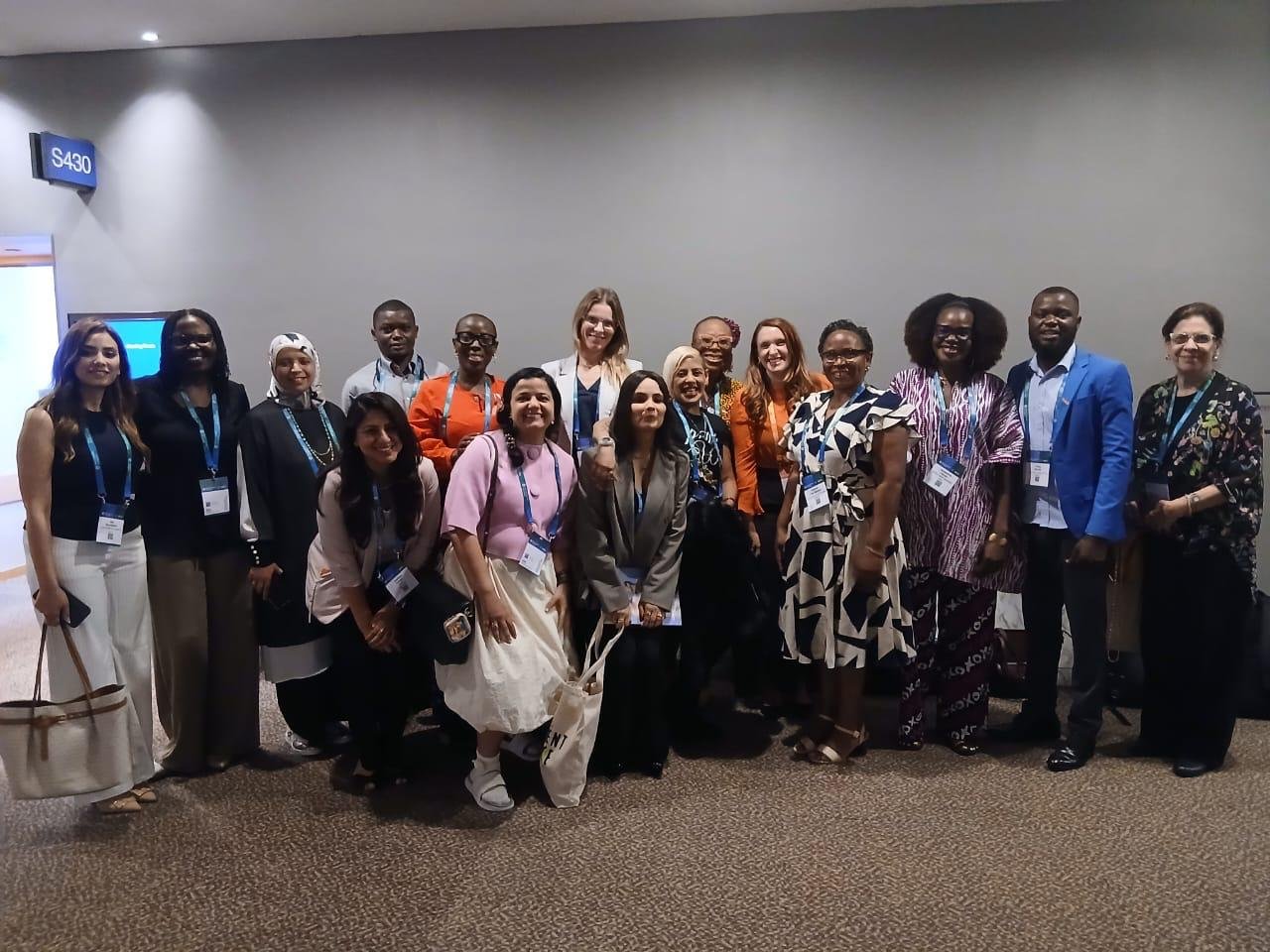
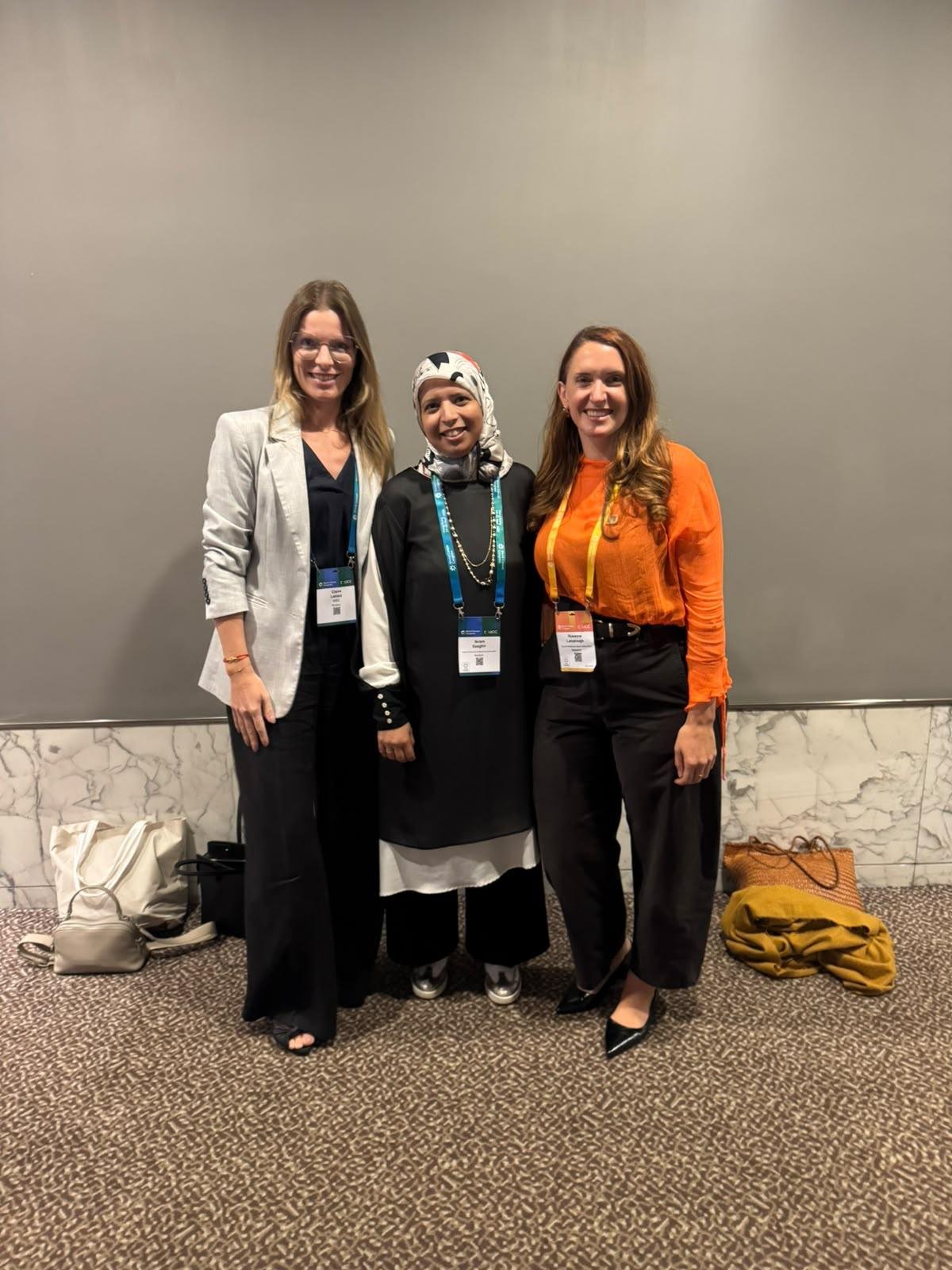
The Congress also saw the launch of the Arab African Council of Advocacy & Narratives (AA-CAN), a regional council led by patient organisations from the Arab and African regions. NABD-BC2 is proud to be one of its co-founding organisations, alongside fellow advocates Esraa Elsherbiny and Eman Shannan, whom Ikram Eseghir met through the UICC community. The launch panel brought together Dr Mai Aboelfetoh of the Egypt Healthcare Authority, Dr Lamia Mahmoud of WHO EMRO, Claire Lebled of MSD and AA-CAN Co-Founder Esraa Elsherbiny. They discussed how the patient voice, supported by evidence and strong partnerships, can help shape better cancer care across the region. For NABD-BC2, AA-CAN is an important step toward uniting regional voices and turning shared experience into collective action.

Media engagement and wider visibility
NABD-BC2’s participation attracted media interest. Ikram Eseghir was interviewed by an Egyptian journalist from Al-Ahram. She was also interviewed separately by Dr Gvantsa Khizanishvili, MPH, a global health strategist and host of Global Health Unpacked by OncoDaily. These conversations helped share the Moroccan experience and raise the visibility of civil-society contributions to cancer control.
NABD-BC2 sincerely thanks UICC for the scholarship and for the confidence placed in the Association and its President. The Congress reaffirmed our conviction that people affected by cancer should not merely be consulted about decisions that affect them. They should be recognised, prepared and supported as partners in designing, implementing and evaluating the policies and services intended to improve their lives.
Useful links